by Oscar O’Sullivan
Monday – Mr Deeds, Death Becomes Her, Following and The 40 Year-Old Virgin
I have been accused, occasionally, of having too much time on my hands. Today was one of those days. Four movies, adequately spaced out with other activities in between, is one of the best possible ways you can spend a day off. Today was a good day for movies.
Mr Deeds is an Adam Sandler comedy from 2002. There, now you can probably imagine this entire film in your head. Sandler is a loveable goof fish-out-of-water who’s life is changed by a ginormous inheritance, meets a cast of gently offensive stereotypes and falls for a woefully miscast Winona Ryder, who spends much of the film skittering like a frightened deer as Sandler smiles benignly and cracks wise. It’s predictable, comfortable stuff. Deeds himself is perhaps the most ordinary of the Sandler heroes, but also extraordinary in how virtuous he is. He’s almost Christ-like, kind-hearted and generous and beloved by his community, embraced by all who meet him, too good-natured even to be corrupted by money. What the movie lacks in originality it makes up for in fun, keeping up a strong comedic pace. John Turturro steals the show as Deeds’ Portuguese butler, and the sappy ending earns another bump of goodwill, but you’re not really missing much if you give this one a skip. I’d let it play if I came across is on TV, but it’s just a 5/10 comedy. Not bad.
It’s truly incredible what you could get away with under a PG rating in the 1990s. Death Becomes Her, from Back to the Future creator Robert Zemeckis, pushes that rating to it’s absolute limit. Broken necks, shotgun murders, alcoholism, infidelity, and Isabella Rossellini walking around wearing tastefully arranged jewellery and a smile. While this may sound like a pitch for an erotic thriller, Death Becomes Her cushions all of this adult content in a hyper-stylised madcap comedy, where domestic abuse is a slapstick gag and death is an inconvenience to be covered up with some judicious use of spray paint. Bruce Willis plays delightfully against type as a wimpy hen-pecked husband being scrapped over by Meryl Streep and Goldie Hawn, both giving devilishly wicked performances as vain, jealous maniacs. Zemeckis was always one of the great innovators of special effects cinema, and the early CGI he utilises here blends in perfectly with the exaggerated practical work and the Burton-esque Gothic stylings of the sets and cinematography. Death Becomes her was recently called out by a viral Rolling Stone article as Zemeckis’ worst ever film, which is a bold charge to bring against a director also responsible for The Polar Express and the live-action remake of Disney’s Pinnochio. If you’re stuck between watching a comedy or a horror, then this film is a happy medium. 9/10.
Christopher Nolan is a filmmaker so associated with huge budgets and all-star casts that it’s difficult to imagine him working at a lower level. But everyone has to start somewhere, and as starts go, Following is a strong one. A low-rent black-and-white crime thriller with limited locations and a cast of nobodies, Following is a visually striking film that crams a surprisingly complex plot into a cool seventy-minute runtime. Much of the narrative trickery is cleverness for cleverness’ sake, with none of the jumps through the timeline of events creating any reaction beyond a mild “aha!”, and the dialogue is beautifully written with no deeper meaning behind it. Still, Nolan’s technical skill is apparent even at this early stage, breaking through the limitations of the production to create an entertaining, propulsive thriller. It’s always a treat to see where great filmmakers got their start, and while Following is far from the best debut film I’ve seen, it’s a strong sign of what was to come for the recent Oscar-winner. 6/10.
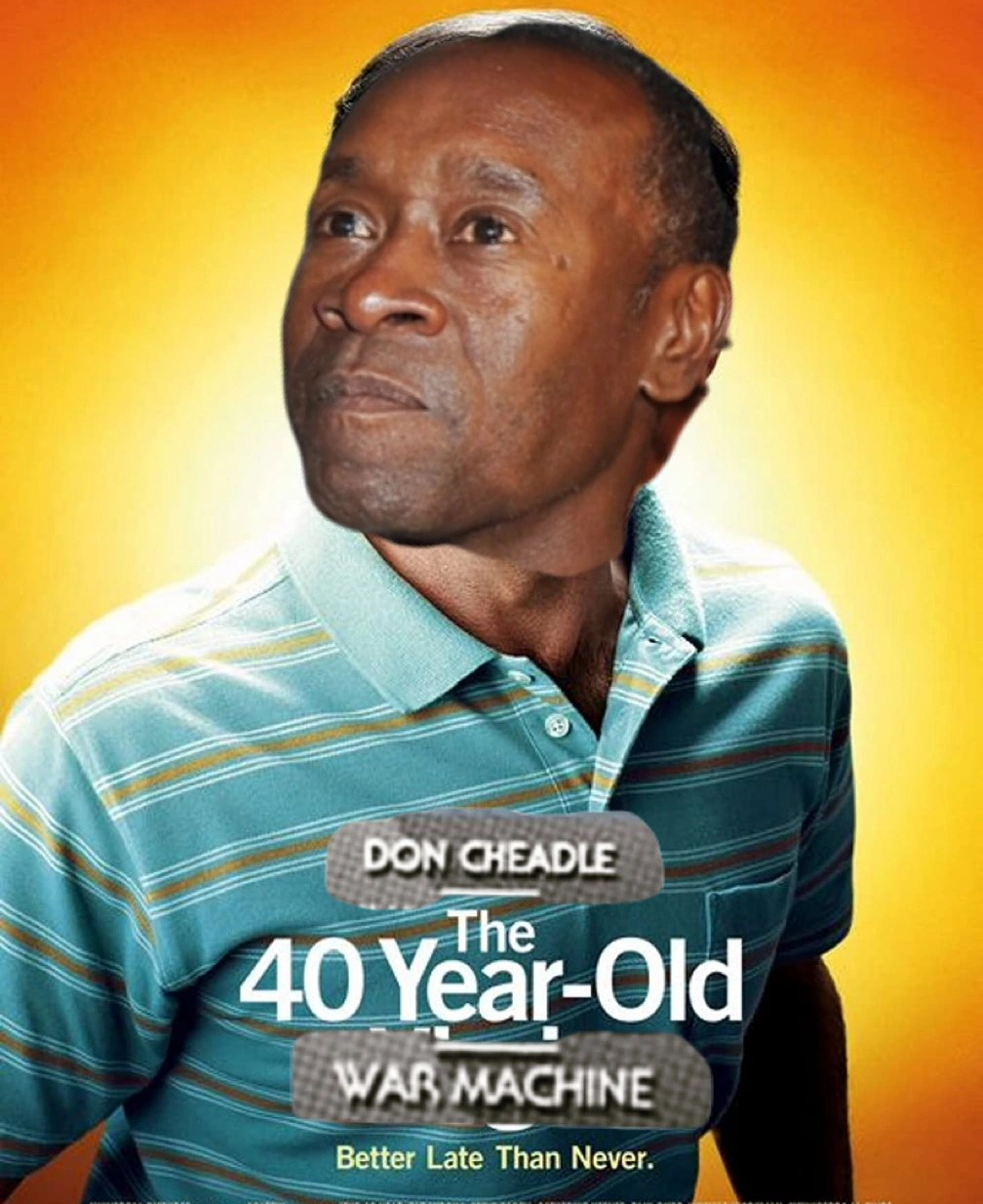
Finally, a film that needs no introduction, The 40 Year-Old Virgin. Maybe the most influential and impactful comedy film of the 2000s boom, so man careers can be traced back to this tale of a nerdy guy who just wants to get laid. Director Judd Apatow came out of the gate swinging with an instantly iconic comedic voice and rock-solid filmmaking fundamentals. It’s a real laugh-a-minute film, but also a surprisingly poignant one. The situation is played for laughs, sure, but also treated with respect and empathy. Carrell and his co-workers start the film thinking that his problem is a lack of sex, but it’s quickly made apparent that his real issue is a deep and lifelong loneliness, that is cured so thoroughly by his endearing romance with Catherine Keener that he outright refuses to consummate for fear of ruining things. In spite of some dated cultural values, it’s aged better than most 2000s “bro”-comedies, and it’s good-vibes message of connection and camaraderie is even more resonant in the socially-isolated internet age. If you’ve somehow never seen this classic, it’s a must-see for any comedy fan, a 9/10 at the very least.
Tuesday – Hondo, Hitch and Crazy, Stupid, Love.
The Western, despite many successful modern revivals, is a relic, more like a time capsule than a genre. It’s tropes and conventions are so overdone, so seeped into pop-culture consciousness, that it can be almost impossible to watch them without a touch of irony. Hondo is a perfect example of a by-the-numbers cowboy flick. John Wayne, the ultimate “man’s man”, swaggers and grumbles his way through a straightforward Cowboys versus Indians morality tale. Despite pretensions of giving the Natives admirable traits, they still end up as a mindless horde attacking the innocent settlers, forcing Hondo and his buddies to slaughter them en-masse with no guilt whatsoever. Women fall desperately in love with Hondo, men respect him, little boys want to be him, his only enemies are cowards and cravens, even the Natives view him as a brother. He’s a shameless fantasy of masculinity, but there’s still something compelling about him. Wayne was a brute and a bigot who fully bought into his persona, and that commitment is what makes him a captivating screen presence, a living breathing embodiment of toxic masculinity. It’s a picture with gorgeous landscapes and production design, dumb fun action scenes and comically backwards moral messages. Take it for what it is, and you’ve got a rock-solid piece of classic entertainment and an interesting relic from a less critical time. 6/10.
What even is there to say about Hitch? A straightforward rom-com between Will Smith and Eva Mendes, with the added flourish of Smith playing a “dating doctor”, allowing for a second (and much more compelling) story where Smith coaches a hapless Kevin James through a romance with rich girl way out of his league. Hitch’s dating philosophy is surprisingly well-thought-out, emphasising respect and consent, and is shown to work wonders for his clients. At the same time, the crux of the film’s emotional plot is that he needs to let go of his system and embrace spontaneity, because love can’t be boiled down to a formula. It’s a film with a sharp wit and strong performances, though the presentation is a little flat. It flirts with subversion but winds up flying straight, creating a satisfying, if unexciting, conclusion. 7/10.
Crazy, Stupid, Love is a 2011 film that has gained a second life in recent years. It was a modest hit on release, and reviewed favourably, and then, as many rom-coms do, quietly faded from public consciousness. Then it seems, all of a sudden, it was rediscovered last year and hailed as one of the all-time great rom-coms. This is obviously caused by the rising stock of leads Ryan Gosling and Emma Stone, as well as the continuing cultural obsession with The Office making Steve Carrell’s presence a draw. But the film also speaks for itself as a fun, engaging family drama with an absolutely delicious plot twist in the third act. The Gosling-Stone romance is actually secondary to the main story of Carrell and Julianne Moore’s divorce drama, and would feel like an afterthought if not for their tried-and-true onscreen chemistry. What doesn’t quite work out is the tertiary plot-line of the son’s crush on his older babysitter. While there’s nothing morally objectionable in theory, his behaviour makes it creepy, persistent and aggressive in spite of his crush’s open and vocal distaste for his advances. When the film ends with her smiling and giving him a chaste kiss on the cheek, it’s a bizarre change in attitude after her complete rejection earlier. When she hands him an envelope containing nude photos she shot of herself, alarm bells start blaring in my mind and the entire finale of the film, already it’s weakest moment, is overshadowed by this deeply questionable choice. It doesn’t detract from the strength of the main plot, and the humour is suitably madcap for a film with Crazy and Stupid in it’s title, but Love isn’t quite achieved. Still an 8/10 rom-com classic, which is on Netflix right now.
Wednesday – They Live
“I have come here to chew bubble gum and kick ass. And I’m all out of bubble gum.” This famous quote, delivered about half-way through John Carpenter’s They Live, marks the point where the films transforms fully from an interesting conspiracy thriller to an out-and-out absurdist satire. In the first half, hero Roddy Piper is a humble everyman dealing with poverty and rejection with a calm, masculine acceptance. He’s the type of guy to shrug off problems and carry on, trusting that things will get better if he keeps his head down and puts in the work. When he discovers that the world is a consumerist dystopia where alien creatures are secretly brainwashing all of humanity into subservience, something breaks in him, and the tone of the film shifts accordingly. Gone is any subtlety of themes of characterisation, now is the time for badass working men who can rack a shotgun and take a beating, the only people willing to stand up and fix the world. It’s the classic wish-fulfilment power fantasy, the lone badass blowing away the enemies of mankind with a smile and a one-liner. It’s also entirely futile and almost pitiable. Knowledge of the truth of the world is a curse, immediately making you unfit to carry on as a part of society unless you’re willing to sell out and join the aliens. When Roddy forces his buddy Keith David to put on the glasses and see the truth, it’s more tragic than anything. He’s an easygoing man with a family to support suddenly forced into the role of freedom fighter. The resistance doesn’t have the resources to seriously fight the enemy, and instead relies on a hopeless plan to reveal the truth by destroying the illusion-generating transmitter. But is there any guarantee that revealing the truth will turn the tides? The film ends on that cliffhanger, a series of comedic scenes of people witnessing the truth. They’re shocked and appalled, and the film ends on a sex joke and the aliens still in charge of all levels of power in society. Carpenter is a master of blending realism with atmosphere, creating worlds that feel both familiar and ominous at the same time. This effect is perfect for this film, where our everyday world is revealed to be something alien and sinister. The film feels like it ends twenty minutes early and doesn’t really develop it’s satire beyond it’s symbolic ideals, the characters are too thinly-drawn to connect with, but the surface-level action man narrative still delivers the goods, a straightforward meathead thriller elevated by the fact it subverts it’s own genre every step of the way. 8/10.
Since this is looking to be a jam-packed week for movies, I’m splitting this weekly update in two and slowing the pace a touch. Just a touch though.
 Oscar Talks Movies
Leave a comment